Bull Fighters
The Rodeo
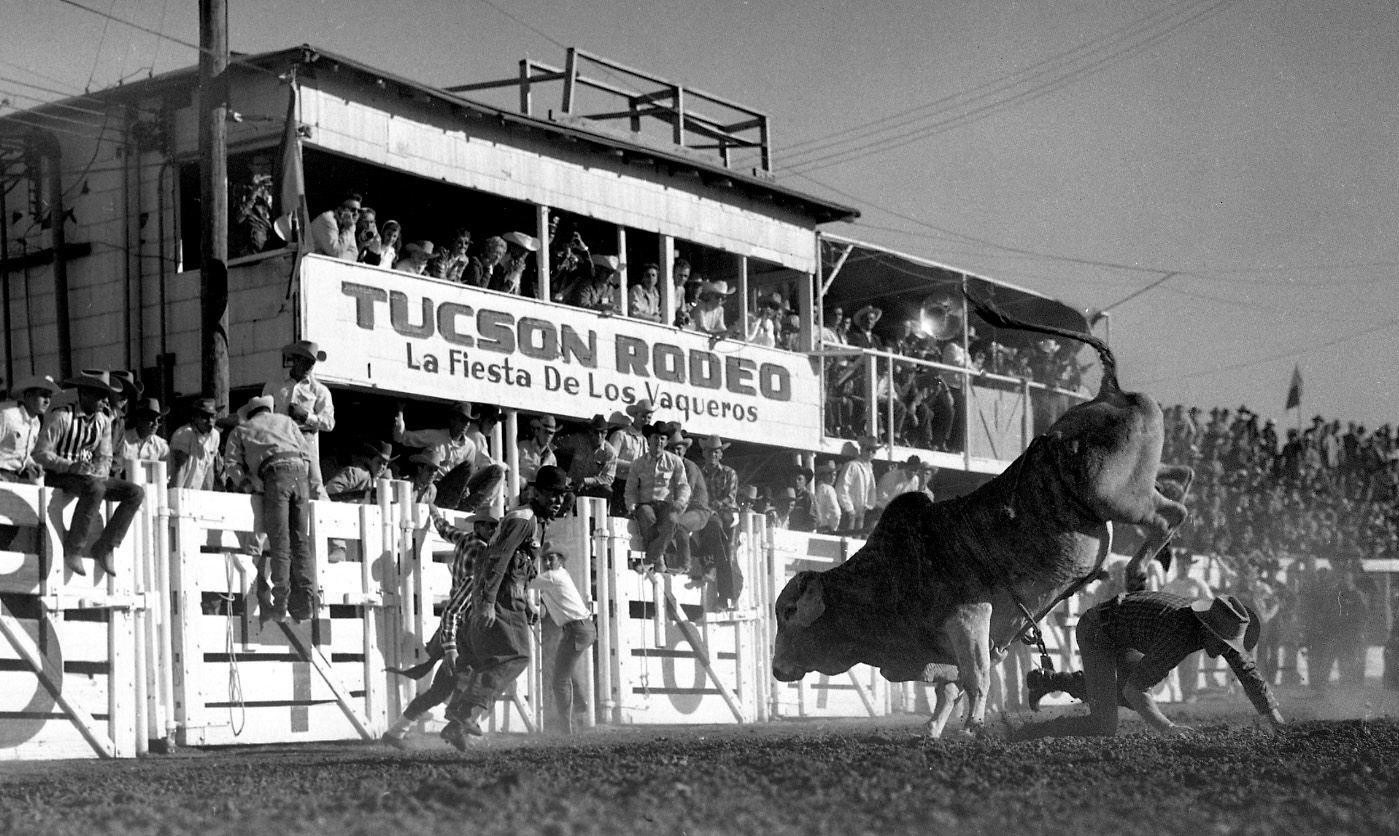
Eight Seconds End – Their Work Begins
Cowboy Protection at the Tucson Rodeo
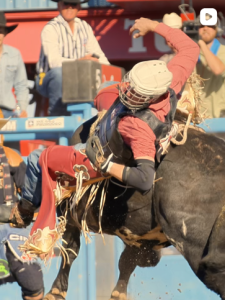
When the chute swings open and a bull explodes into the arena, thousands of eyes follow the rider, but watch the men standing in the dirt.
They’re already moving, studying the bull’s direction, anticipating the rider’s next move, and positioning themselves for what happens when the ride ends. Because whether the cowboy makes eight seconds or hits the ground before the whistle, that’s when their job really begins.
They are professional bullfighters—and in the most unpredictable event in rodeo, they are the cowboy’s first line of protection.
No Room for Hesitation
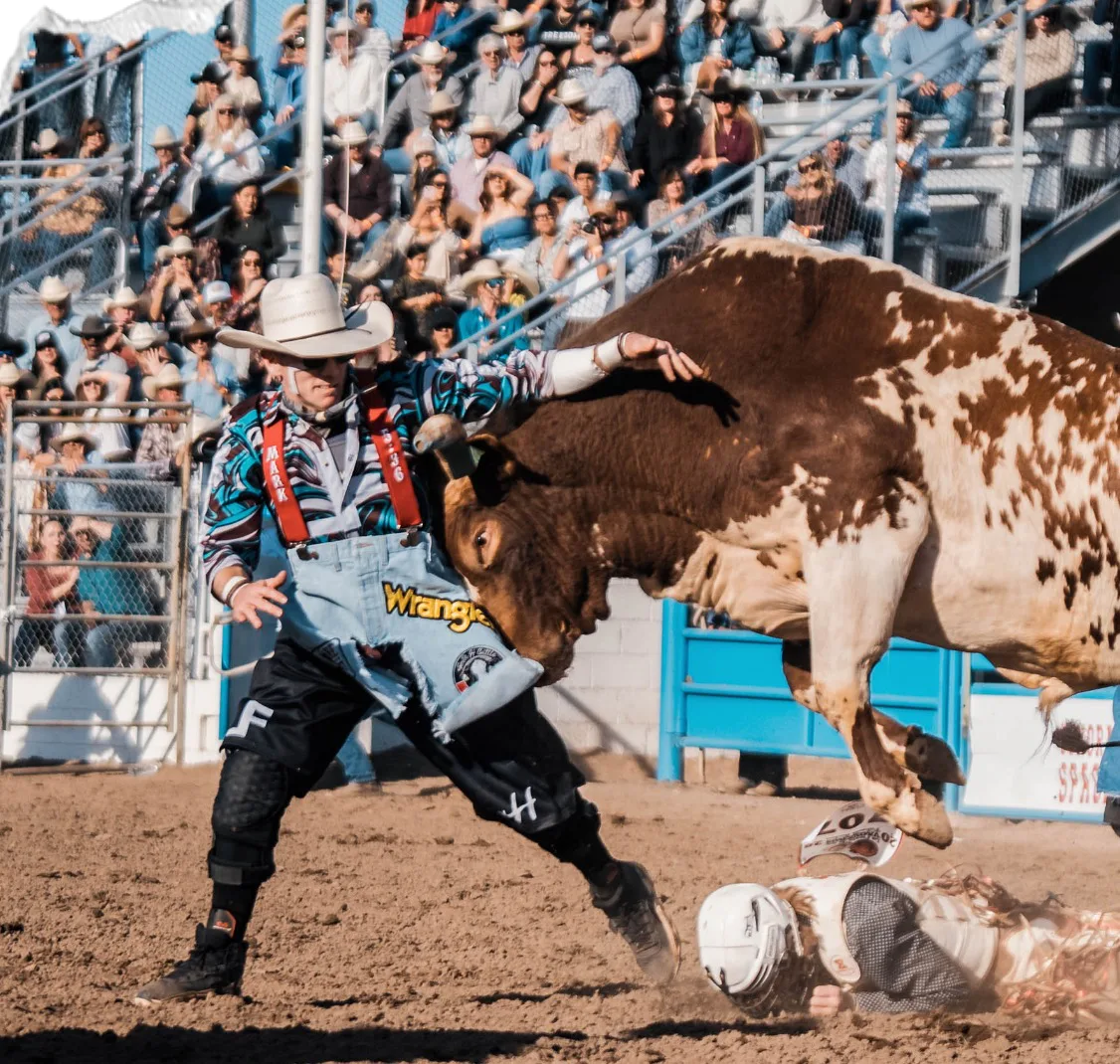
A bullfighter has seconds—sometimes fractions of a second—to read an animal weighing well over 1,500 pounds, anticipate where it’s going, locate a cowboy who may be lying on the ground, and decide exactly where he needs to put his own body.
Sometimes that means drawing the bull’s attention, and other times it might mean changing its direction. And if both of those fail, they may need to step directly into harm’s way so the cowboy doesn’t have to.
Being a bullfighter requires extraordinary athleticism, calm decision-making, precise footwork, and an intimate understanding of how bulls move and react.
When it’s done exceptionally well, you may barely notice it happened.

What Makes a Bullfighter Exceptional
Over the course of the Tucson Rodeo, these three men will protect more than 100 bull riders, repeatedly stepping toward the danger everyone else is trying to escape.
Bullfighters aren’t performers or distractions, but highly trained professionals whose timing, positioning, and awareness can make all the difference when everything goes wrong. A good bullfighter must be trusted by the cowboys entering the arena because when a cowboy wraps his hand into the bull rope, he knows there’s a chance he’ll end the ride on the ground.
Riders trust these men to read the situation, make the right decision, and be there when they’re needed most. That kind of trust is earned, which is why we only hire the best of the best to protect our athletes at the Tucson Rodeo.
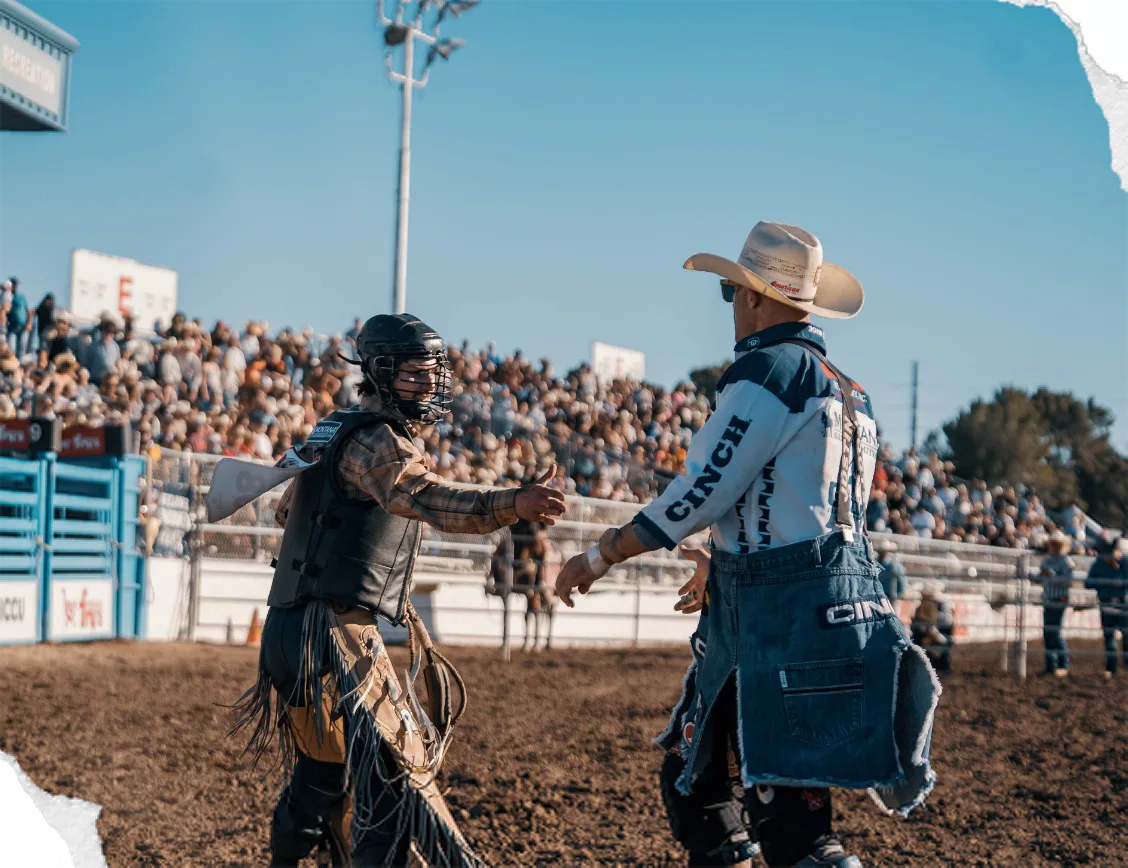
Meet the Bullfighters
The most important eight seconds might be the ones after the whistle.
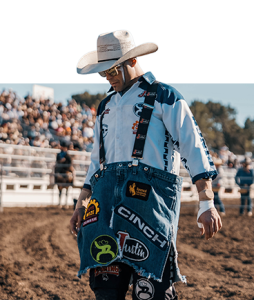
Dusty Tuckness
When riders talk about trust in the arena, few names carry as much weight as Dusty Tuckness. He has been a fixture at the Wrangler National Finals Rodeo more times than almost any bullfighter in history, appearing in the most elite championship event in rodeo over a career that spans decades.
A 10-time PRCA Bullfighter of the Year, Dusty is widely recognized by his peers as one of the greatest protection specialists the sport has ever seen – a benchmark for aspiring bullfighters across the country.
Dusty’s calm control, instinctive positioning, and ability to read livestock set him apart in moments when every second counts. Riders know that when he’s in the dirt, they have one of the best, watching their back – and many credit him with shaping the way modern bullfighting is performed today.
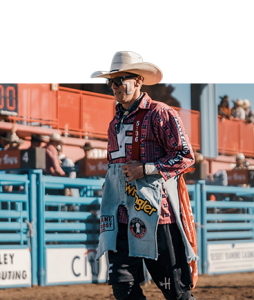
Nathan Harp
If you watch closely, you’ll notice Nathan Harp is already moving before the bull commits. His strength isn’t flash, but positioning. He reads the bull early, chooses his angle, and controls space with calm precision. When a rider hits the ground, Nathan is there.
Nathan turned his early love of the sport into a professional career and has been a familiar presence in PRCA arenas since earning his membership in 2011. He’s worked in major rodeos across the country, including appearances at the RAM National Circuit Finals Rodeo and other premier events.
From the rider’s perspective, that consistency matters. Nathan’s ability to anticipate trouble and respond without hesitation is what keeps moments under control when everything is moving fast.
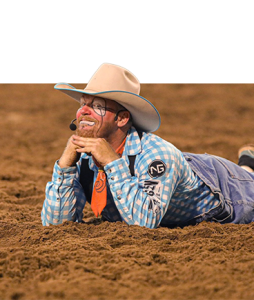
Wacey Munsell
Bullfighting is in his blood. Wacey Munsell grew up in the rodeo arena, following in the footsteps of his father, grandfather, and uncle as a third-generation bullfighter. Long before it was a career, it was simply how life worked — watching bulls, reading movement, learning when to step in and when to get out of the way.
By 17, Wacey was competing on the Professional Bullfighters and World Championship Rodeo Bullfighters tours, winning his first world championship just days after turning 18. Those early years shaped a style built on instinct and awareness rather than hesitation. He later earned his PRCA bullfighter’s card, stepping onto some of the sport’s biggest stages and continuing to refine his craft.
Watch him work in the arena and you’ll see it immediately. Wacey moves naturally with the bull’s momentum, adjusting without hesitation as situations change. His timing is quick, his footwork light, and his understanding of livestock evident in every decision he makes.